
Why Is My Cat Throwing Up? Causes, Vomit Colors and When to Worry

Quick answer: Most one-off vomiting in cats comes from hairballs, eating too fast or a minor stomach upset. But vomiting is not a normal part of cat life. If your cat throws up more than about once a week, keeps vomiting over a few hours, or seems lethargic, stops eating or brings up blood, call your vet. Kittens, and any cat that may have eaten string, lilies or medication, need care right away.
Last updated: October 28, 2026
You hear it before you see it: that rhythmic heaving from the hallway, followed by a small puddle on the rug. If you are asking “why is my cat throwing up?”, you are far from alone, and the answer is not always as simple as “just a hairball.”
Many cat owners treat the occasional hairball or post-breakfast puddle as just something cats do. Veterinary research suggests that habit can hide real illness. This guide explains the common causes of cat vomiting, how to tell vomiting from regurgitation and coughing, what the color and frequency can tell you, safe first steps at home, and the exact signs that mean your cat needs a vet.
Is it vomiting, regurgitation or coughing?
Before you worry about causes, figure out what you actually saw. Three different things can look alike, and each points in a different direction.
The Merck Veterinary Manual describes vomiting as an active, forceful process. It usually starts with drooling, repeated swallowing and visible heaving from the belly. Regurgitation is passive. Food simply slides back up with little or no effort, often undigested and sometimes shaped like a tube from the esophagus. Coughing, meanwhile, can end with a cat bringing up a little foam, which is easy to mistake for a hairball attempt.
| What you see | Vomiting | Regurgitation | Coughing or hacking |
|---|---|---|---|
| Effort | Heaving belly, retching, often drooling first | Little or no effort; food just comes back up | Hacking or wheezing sound with no heaving from the belly |
| What comes out | Partly digested food, fluid, bile or hair | Undigested food, often soon after eating, sometimes tube-shaped | Often nothing, or a small amount of foam |
| Where the problem is | Stomach, intestines or a whole-body illness | Usually the esophagus | Airways, such as feline asthma |
| What to tell your vet | How often, what it looked like, any other signs | Timing after meals and whether it happens every time | How often it happens; a video helps |
The Cornell Feline Health Center points out that frequent hacking that you assume is a hairball can actually be a breathing problem such as asthma. If you rarely see a hairball after the hacking, mention it to your vet.
Why is my cat throwing up? The most common causes
The causes of cat vomiting run from harmless to life-threatening. Cornell groups them into a handful of categories, and most cases fall into one of these.
1. Hairballs
Cats swallow loose hair every time they groom. Most of it passes through the gut, but some clumps in the stomach and comes back up as a damp, cylinder-shaped wad mixed with fluid. Long-haired cats and heavy shedders are more prone to them. A hairball now and then is common, but frequent hairballs are a reason to look deeper, as we explain below.

2. Eating too fast or too much
Some cats gulp a meal and bring it straight back up a few minutes later, often still looking like kibble. Because this often looks more like regurgitation than true vomiting, mention the timing to your vet. Competition at the food bowl in multi-cat homes can make gulping worse.
3. Food changes, intolerance or allergy
A sudden switch to a new food, rich table scraps or spoiled food can all upset the stomach. The Merck Veterinary Manual also lists food allergy among the causes of vomiting. If your vet suspects a food problem, they can guide you through testing a different diet safely.
4. Swallowed objects, especially string
Hair ties, rubber bands, small toy parts and, above all, string-like items such as thread, yarn, ribbon and tinsel can block or damage the gut. String is especially dangerous because it can bunch up the intestines like a drawstring. Veterinarian Beth Turner, writing for Preventive Vet, warns owners never to pull string that is caught in a cat’s mouth and to stop pulling from the rear end if there is any resistance, because it can tear the intestines. Go straight to a vet instead.
5. Toxins: lilies, medications and household products
Cornell lists poisonous plants, human medications, antifreeze and foods such as chocolate and onions among the toxic causes of vomiting. Lilies deserve a special warning. The FDA notes that every part of true lilies and daylilies is toxic to cats, including the pollen and even the water in the vase. Vomiting, drooling and loss of appetite can start within hours, and kidney failure can follow within 24 to 72 hours. If treatment is delayed by 18 hours or more, the damage is generally irreversible.
6. Parasites and infections
Intestinal worms can cause vomiting, and you may occasionally see a worm in the vomit itself. Viral and bacterial infections are other possible causes, especially in kittens. Your vet can check a stool sample and recommend the right deworming plan. Do not give dewormers or other medicines without that advice.
7. Chronic disease
Repeated vomiting is often a sign of a problem outside the stomach itself. Cornell lists inflammatory bowel disease (IBD, a long-term inflammation of the gut lining), intestinal cancers such as lymphoma, kidney disease, an overactive thyroid (hyperthyroidism), diabetes and constipation among the causes. Many of these are more common in middle-aged and senior cats, which is why ongoing vomiting in an older cat deserves a proper workup.
What does the color and content of the vomit mean?
What your cat brings up can give your vet useful clues. Treat this table as a starting point for that conversation, not a diagnosis.
| What you see | What it often means | What to do |
|---|---|---|
| A wad of hair mixed with fluid | Hairball | Note how often it happens; see a vet if it is more than occasional |
| Clear liquid or white foam | Stomach fluid, often on an empty stomach or with irritation | Monitor; call your vet if it repeats or your cat seems unwell |
| Yellow or green fluid | Bile from the small intestine, often on an empty stomach | Monitor; call your vet if it repeats |
| Undigested food soon after eating | Eating too fast, or regurgitation rather than vomiting | Slow feeding down; tell your vet if it keeps happening |
| Grass or plant material | Your cat chewed a plant | Identify the plant; if it could be a lily or you are unsure, call now |
| Worms | Intestinal parasites | Book a vet visit and bring a photo |
| Red streaks, pink fluid or dark “coffee grounds” | Blood, fresh or partly digested | Call your vet promptly |
| Thread, ribbon or other objects | Swallowed foreign material | Call your vet now, even if your cat seems fine |
Bile vomiting on an empty stomach happens in dogs too. Our guide to dogs throwing up yellow bile in the morning covers that pattern in more detail.
How often is too often?
This is where many owners, and some older advice, get it wrong. The Cornell Feline Health Center advises a vet visit for any cat that vomits more than once a week. It also says vomiting along with lethargy, weakness, poor appetite, blood, increased thirst, changes in urination or diarrhea needs prompt attention.
The strongest evidence comes from a 2013 study in the Journal of the American Veterinary Medical Association. Feline practitioner Gary Norsworthy and colleagues examined intestinal biopsies from 100 cats with chronic vomiting, weight loss, diarrhea, or a mix of these. Only one of the 100 had normal results. About half (49%) had chronic enteritis, which is usually IBD, and 46% had lymphoma. Writing in Veterinary Practice News, Norsworthy concluded that hairball vomiting twice a month or more is a sign of chronic small bowel disease in any cat.
These were cats that already had ongoing symptoms, so the study does not mean every cat that vomits has cancer. It does mean that “he’s always been a puker” is not a reason to skip the vet. Cornell notes that both are treatable: IBD usually with diet and medication, and cancers with surgery or chemotherapy. Finding them early gives your vet more options.
| Pattern | How concerned to be |
|---|---|
| One episode, cat bright and eating normally afterward | Low. Watch closely for the next 24 hours |
| More than once a week, or hairballs twice a month or more | Book a non-urgent vet visit to look for an underlying cause |
| Several times in one day, or cannot keep water down | Same-day vet visit |
| Any vomiting plus lethargy, blood, pain or a possible toxin or string | Emergency. Go now |
My cat keeps throwing up but seems fine. Should I worry?
This is a very common worry, and the answer is “not urgently, but yes.” Cats are good at hiding illness. A cat that vomits a few times a week but still eats, plays and greets you at the door can still have early IBD, food intolerance, hyperthyroidism or kidney disease.
Start a simple log for two weeks before your appointment. Note:
- The date and time of each episode, and how long after a meal
- What came up: food, hair, foam, bile or anything unusual
- Any changes in appetite, thirst, weight, litter box habits or energy
- What your cat ate, including treats and any new food
- Photos or a short video of the vomit and, if you can, the episode itself
Weight loss is easy to miss. Cats can lose weight gradually under their fur, so ask your vet to compare today’s weight with past visits.
When to call your vet or go to an emergency clinic
Some situations cannot wait for a regular appointment. Go to your vet or an emergency clinic right away if your cat:
- Is a kitten. Young kittens dehydrate quickly and are more prone to infections and blockages
- Vomits several times in a few hours, or cannot keep water down
- Retches repeatedly without bringing anything up, which Cornell flags as a reason for prompt care
- Has blood or dark, coffee-ground material in the vomit
- Is lethargic, weak, hiding or collapsing, or has a swollen or painful belly
- May have swallowed string, a hair tie or another object
- May have eaten a lily, a human medication, antifreeze or another toxin
- Has not eaten for more than a day or so
That last point is easy to underestimate. The Cornell Feline Health Center explains that cats that stop eating can develop hepatic lipidosis, or fatty liver disease, which is likely to be fatal if not treated promptly. Overweight cats are at higher risk, but it can happen to any cat.
If you suspect poisoning, call your vet or an emergency clinic first. In the US you can also call the ASPCA Animal Poison Control Center at 888-426-4435 (a fee may apply). Pet Poison Helpline, at 855-764-7661, runs 24/7 and charges a one-time consultation fee of $99 USD per incident, according to its website. The Ontario SPCA lists both services as poison emergency contacts for Canadian pet owners.
What to do at home after your cat throws up
If your cat vomited once and seems otherwise normal, a calm, careful approach is usually enough. Here is what we suggest:
- Check your cat first. Look at their energy, breathing and gums, and make sure they are not still retching.
- Look at the vomit before you clean it. Take a photo and note anything unusual, especially string, plant material, worms or blood.
- Keep fresh water available. The Merck Veterinary Manual warns that withholding water can make dehydration worse, and says water should only be held back when a vet is giving fluids.
- Ask before you fast or change food. Vets sometimes rest the stomach briefly or suggest a bland, easily digested diet, but the timing should come from your vet because cats should not go long without eating.
- Never give human medicine. Cornell lists human medications among the common toxic causes of vomiting. Any anti-nausea treatment and its dose must come from your vet.
- Watch for 24 hours. If it happens again, or any warning sign appears, call your vet.
For the cleanup, blot rather than rub, and treat the spot before it sets. Our guide on how to remove pet stains naturally walks through the method step by step.
How vets find out why a cat is vomiting
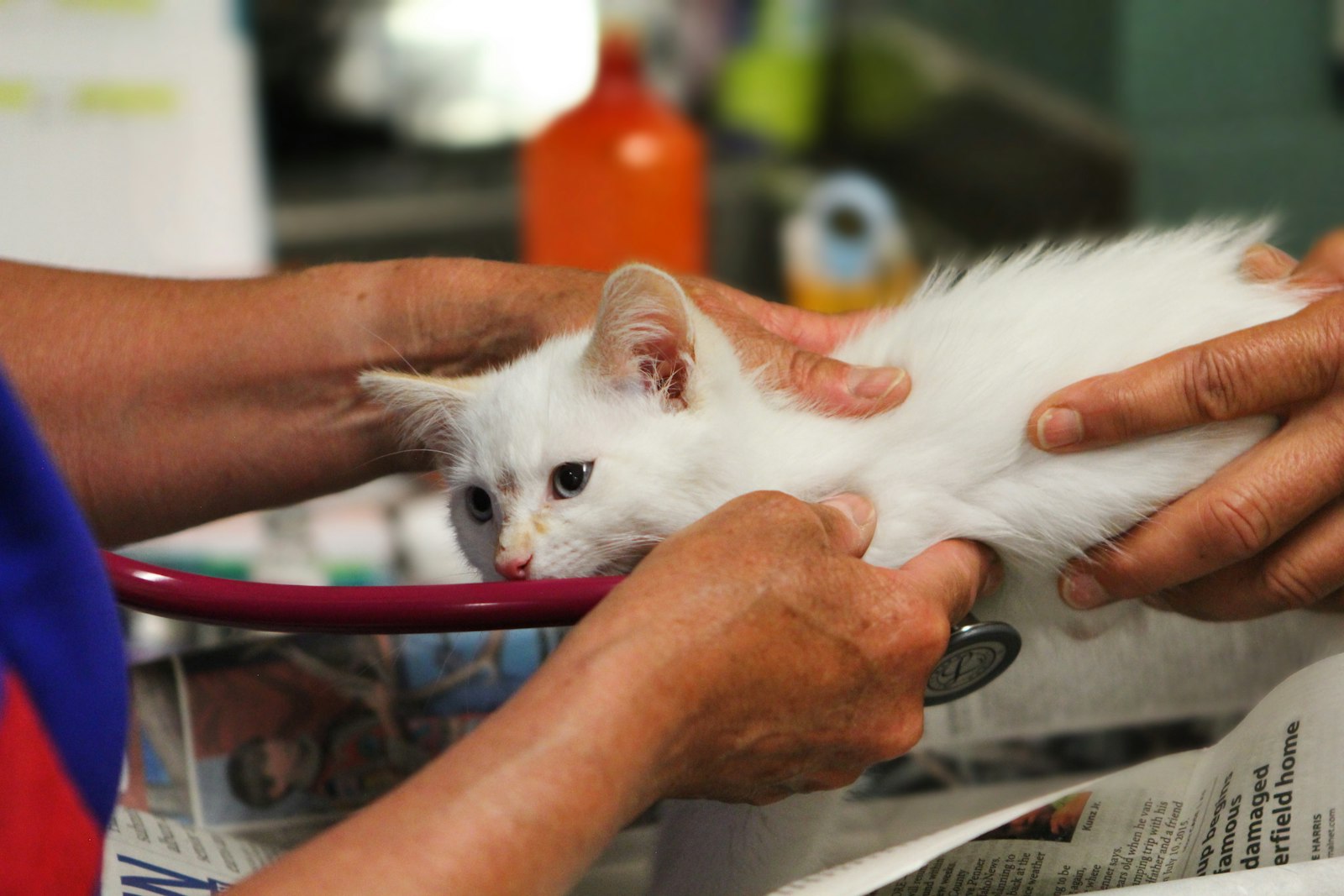
Knowing what to expect can make a vet visit less stressful. According to Cornell and the Merck Veterinary Manual, the workup usually moves in stages:
- A detailed history and physical exam, which is where your vomit log and photos help most
- Bloodwork, a urine test and a fecal exam to check for metabolic disease, toxins and parasites
- X-rays or an abdominal ultrasound if the first tests are normal, to look for blockages, thickened intestines or growths
- In some cases, intestinal biopsies, which are needed to tell IBD from lymphoma
Treatment depends entirely on the cause. It can range from fluids and a bland diet for a simple upset, to deworming, diet trials, long-term medication for IBD, or surgery to remove a foreign object.
How to reduce vomiting in cats
You cannot prevent every episode, but these habits lower the odds:
- Brush regularly. Cornell recommends getting cats used to daily brushing and combing. For long-haired cats that resist, a professional trim once or twice a year can help.
- Slow down fast eaters. Smaller, more frequent meals, a puzzle feeder or separate feeding spots in multi-cat homes can all reduce gulping.
- Change food gradually. Mix the new food into the old over several days rather than switching overnight.
- Cat-proof your home. Put away thread, yarn, hair ties and ribbon, and keep lilies out of any home with a cat, including bouquets.
- Keep up with checkups. Routine exams and bloodwork help catch kidney, thyroid and gut disease early, especially in senior cats.
- Stick to your vet’s parasite plan. Ask how often your cat needs deworming based on lifestyle.
Ask your vet before trying an over-the-counter hairball remedy or a special diet, especially if your cat has other health conditions.
The bottom line
An occasional hairball or a gulped breakfast that comes back up is usually not an emergency. Regular vomiting, though, is not normal for cats, even if your cat seems happy. If your cat throws up more than about once a week, has hairballs twice a month or more, or shows any warning sign, book a vet visit and bring your notes. Kittens, cats that may have eaten string, lilies or medication, and cats that stop eating need care right away. For more on understanding your cat’s behavior and health, browse our Cat Care section or read our guide to why your cat licks you then bites you.
How we researched this article
We based this guide on information from the Cornell Feline Health Center, the Merck Veterinary Manual, the FDA’s guidance on lilies and cats, a 2013 biopsy study of 100 cats published in JAVMA, and published guidance from veterinarians and poison control services. It is general information, not veterinary advice. If your cat is vomiting, contact your veterinarian.
Frequently asked questions
Why is my cat throwing up but acting normal?
A cat that vomits once and then eats and plays normally often had a hairball or ate too fast. If it keeps happening, even with normal behavior, see your vet. Cats hide illness well, and research shows ongoing vomiting is often linked to gut conditions such as IBD.
How often is it normal for a cat to throw up?
There is no truly normal amount. The Cornell Feline Health Center advises a vet visit for vomiting more than once a week, and one feline specialist links hairball vomiting twice a month or more to chronic bowel disease. Any vomiting with other symptoms needs a vet sooner.
What should I do if my cat keeps throwing up?
Call your vet. Keep fresh water available, take photos of the vomit and note when each episode happens. Do not give human medicine or fast your cat without advice. Go to an emergency clinic if your cat cannot keep water down, seems lethargic or brings up blood.
Why is my cat throwing up white foam?
White foam is usually stomach fluid, often brought up on an empty stomach or when the stomach is irritated. One episode in a cat that seems well can be monitored. Repeated foam vomiting, or foam with lethargy or poor appetite, should be checked by a vet.
Should I stop feeding my cat after it vomits?
Ask your vet first. Vets sometimes rest the stomach for a short time, but cats that go without food can develop hepatic lipidosis, a serious liver condition. Never withhold water unless your vet tells you to. Call your vet if your cat refuses food for more than about a day.
When is cat vomiting an emergency?
Treat it as an emergency if your cat is a kitten, vomits several times in a few hours, retches without producing anything, has blood in the vomit, seems weak or in pain, or may have swallowed string, a lily, medication or another toxin.