Hypoallergenic Cats: Which Breeds Help Allergies and What the Science Says

Quick answer: There are no truly hypoallergenic cats. Every cat makes Fel d 1, the protein behind most cat allergies, and US allergists say coat length and shedding do not change that. Some individual cats make less of it, though. Females and neutered males tend to produce less than intact males, and small studies hint that some breeds, such as the Siberian, may too. Test your own reaction before you adopt.
Last updated: October 16, 2026 · General information, not medical or veterinary advice.
You love cats, but your eyes itch and your nose runs every time you visit a friend who has one. So you start searching for hypoallergenic cats and find dozens of confident lists of “allergy-friendly” breeds. The trouble is that most of those lists skip the science, and some contradict themselves halfway down the page.
Here is the honest picture. No breed is allergen-free, yet some people with mild allergies do live comfortably with cats. The difference usually comes down to the individual cat, how you set up your home and whether you get proper allergy advice first.
This guide explains what actually triggers cat allergies, what the research says about each breed sold as hypoallergenic, and how to test your reaction before you commit. We also cover practical ways to cut allergens at home and the newer options still in development, for readers in both the US and Canada.
Are there hypoallergenic cats?
Not in the strict sense. The American Academy of Allergy, Asthma & Immunology (AAAAI) states that there are no truly hypoallergenic breeds of dogs or cats. A 2024 review in Allergologie Select, published by researchers at the Luxembourg Institute of Health, reached the same conclusion: every known cat breed, including those marketed as hypoallergenic, still produces the main cat allergen.
“Hypoallergenic” is a marketing word, not a medical category. When breeders or websites use it, they usually mean one of three things:
- The breed sheds less. That sounds helpful, but shedding is not what drives allergen levels, as the next section explains.
- Some cats of that breed tested lower for allergen. This is the claim worth taking seriously, but the evidence behind it is thin.
- Owners report fewer symptoms. Real for some people, but anecdotes cannot tell you how you will react.
So when you shop for hypoallergenic cats, the useful question is not “which cat is hypoallergenic?” It is “which cat am I least likely to react to, and how do I find out before it moves in?”
What actually causes cat allergies (hint: it is not the fur)
Most cat allergies are a reaction to a protein called Fel d 1. A 2018 review in Allergy, Asthma & Clinical Immunology, the journal of the Canadian Society of Allergy and Clinical Immunology, reports that 80% to 95% of cat-allergic patients have antibodies to it. Cats make at least eight known allergens, but Fel d 1 is the main one.
The same review explains that Fel d 1 is produced mainly in a cat’s sebaceous (oil) glands in the skin, with saliva and other glands adding to it. When a cat grooms, it spreads saliva and skin oils over its coat. That grooming habit is also behind the licking you may notice, which we cover in our guide on why your cat licks you and then bites. As the coat dries, tiny allergen-carrying flakes of dander drift into the air and settle on furniture, bedding and clothes.
A few facts about Fel d 1 explain why cat allergies are so hard to escape:
- It travels on very small particles. The 2018 review notes that a large share of airborne Fel d 1 rides on particles small enough to stay in the air for a long time.
- It gets everywhere. Two national US surveys detected it in more than 99% of homes, including homes without cats. It has also been found in classrooms, cars and shopping centers, carried in on clothing.
- It lingers. The AAAAI says it can take six months or more for dander levels to drop after a cat leaves a home.
Fur matters only as a carrier. It holds dander and spreads it around, but it does not create the allergen. That is why a hairless cat can still trigger symptoms.
What makes one cat less allergenic than another?
Allergen levels vary a lot from cat to cat, often more than they vary between breeds. Research points to several factors, listed here from strongest evidence to weakest:
- Sex and neutering. Intact (unneutered) males produce more Fel d 1 than females, and neutered males produce less than intact males, according to the 2018 Allergy, Asthma & Clinical Immunology review.
- The individual cat. Two cats of the same breed and sex can differ widely. This individual variation is one reason some people react strongly to one cat and barely notice another.
- Age and season. Some studies suggest older cats produce less Fel d 1 than younger ones, and that output can change through the year. These findings are less consistent.
- Coat length and color. Neither appears to make a significant difference, despite popular claims that light-colored or short-haired cats are safer. The AAAAI likewise says hair length and shedding do not affect dander allergens.
In practice, an adult female or neutered male cat that you have already tested your reaction to is a better bet than any breed sold as one of the hypoallergenic cats.
Hypoallergenic cat breeds: what the evidence says
The same handful of hypoallergenic cat breeds appears on almost every list. We checked what each claim rests on. Here is how they compare:
| Breed | Coat | Why it is called hypoallergenic | Evidence for lower allergen |
|---|---|---|---|
| Siberian | Long, thick | Said to produce less Fel d 1 | Limited: small genetic and breeder studies |
| Balinese and Javanese | Medium-long, silky | Said to produce less Fel d 1 | Very limited: no peer-reviewed data we could find |
| Siamese and Oriental Shorthair | Short, fine | Low shedding | Very limited: shedding does not set allergen levels |
| Russian Blue | Short, dense | Said to produce less Fel d 1 | Very limited: no peer-reviewed data we could find |
| Bengal | Short, pelt-like | Low shedding, less grooming | Very limited |
| Devon Rex and Cornish Rex | Short, curly | Low shedding | Very limited: shedding does not set allergen levels |
| Sphynx | Hairless | No fur to spread dander | None: still produces Fel d 1 on the skin |
The only peer-reviewed comparison we found was small. A 2014 conference abstract in Clinical and Translational Allergy compared 6 regular cats with 8 cats from “hypoallergenic” breeds and found less Fel d 1 on the fur of the second group. That is encouraging, but 14 cats is far too few to rank breeds, and the abstract did not report results breed by breed.
Are Siberian cats hypoallergenic?
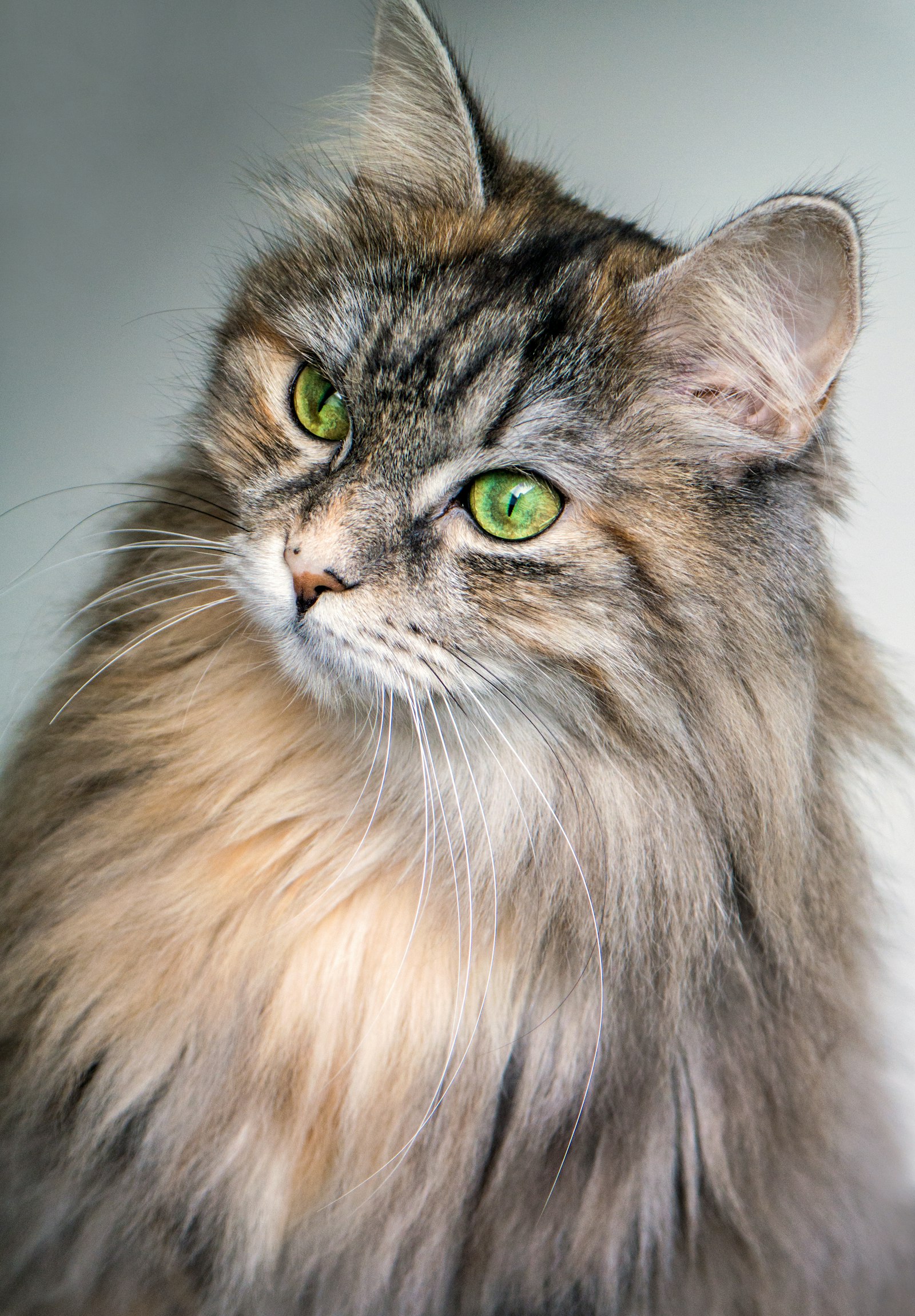
The Siberian has the strongest reputation of any breed, and it is the one with the most research interest. A 2017 genetic study of a small group of Siberian cats found several variants in the genes that code for Fel d 1. Those variants could help explain lower allergen levels in some Siberians. Breeder groups also report saliva testing in which roughly half of the Siberians tested came in below typical levels.
Keep two caveats in mind. The genetic work did not measure whether allergic people react less, and the breeder testing was not peer-reviewed and comes from organizations with a commercial interest. Siberians also vary widely. If a breeder offers allergen testing, treat it as one data point, not a guarantee, and still test your own reaction to that specific cat.
Are Siamese cats hypoallergenic?
Siamese cats appear on many lists because their short, fine coat sheds relatively little. Lower shedding means less hair carrying dander around your home, which may help a little with cleanup. But we found no peer-reviewed evidence that Siamese cats produce less Fel d 1 than other cats. The same applies to the closely related Oriental Shorthair, Balinese and Javanese.
Are hairless and curly-coated cats better for allergies?
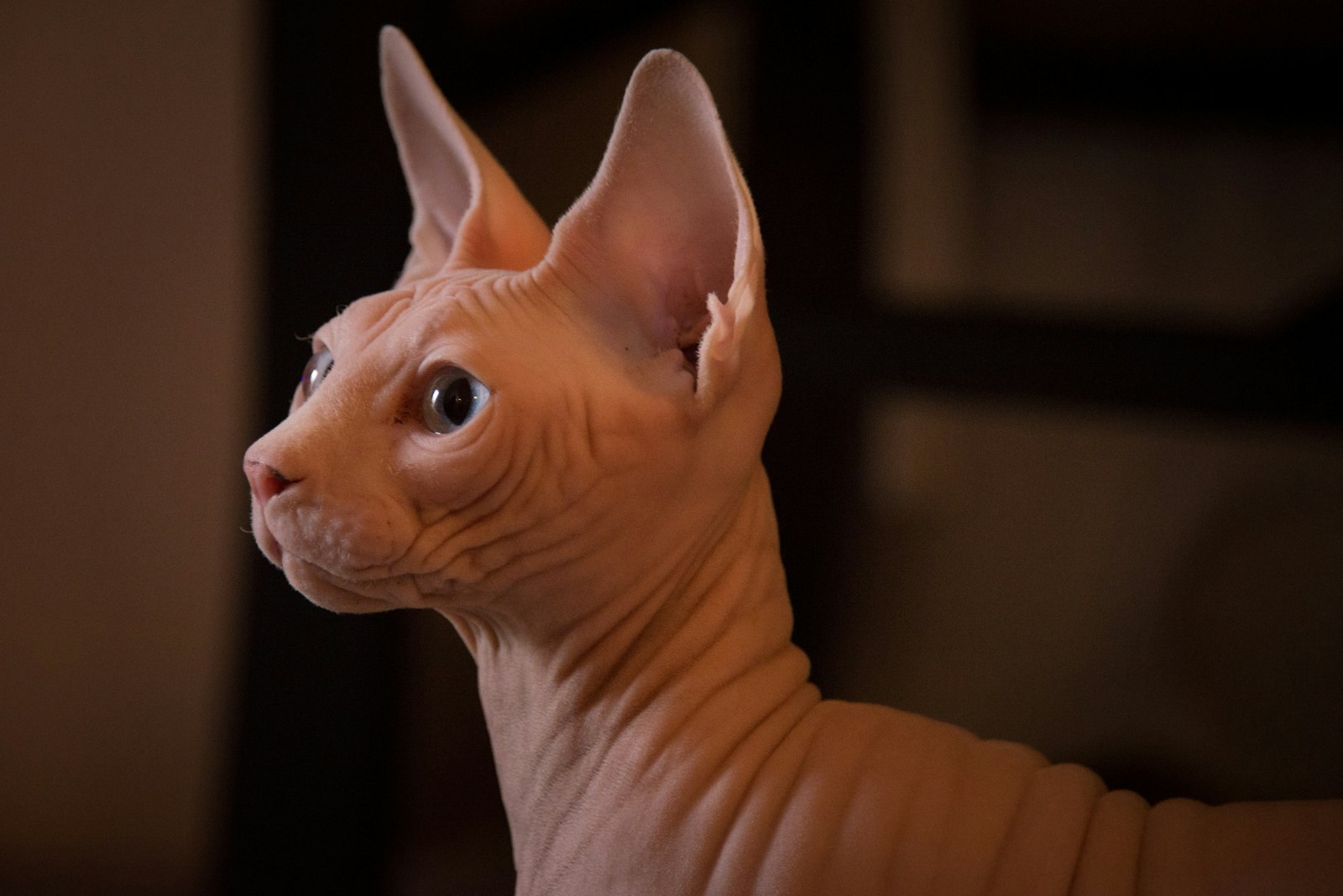
Not by default. The Sphynx has no fur to trap dander, yet it still makes Fel d 1 in its skin and saliva. Without fur to absorb skin oils, Sphynx cats need regular bathing, which may reduce allergen on the skin for a while. Devon Rex and Cornish Rex cats have short, curly coats that shed less, but as the AAAAI notes, shedding is not what sets allergen levels.
How to test your reaction before you adopt
Because individual cats vary so much, the most reliable test is you plus the specific cat. A rehoming decision is hard on everyone, so it is worth doing this groundwork first:
- See an allergist first. Allergy testing confirms whether cats are really your trigger and how strongly you react. In the US, the AAAAI offers a “Find an Allergist / Immunologist” directory. In Canada, the Canadian Medical Association notes that allergy clinics usually require a referral, typically from your family doctor.
- Ask about asthma. Cat allergens can worsen asthma, so tell the allergist if you wheeze or get short of breath around cats.
- Meet the actual cat several times. Spend an hour or more with it, ideally in its own home, on more than one visit. Pet it, then notice how you feel over the next day.
- Favor a female or neutered male. Both tend to produce less Fel d 1 than an intact male.
- Consider an adult cat. You can test your reaction to the cat it already is, rather than guessing how a kitten will turn out.
- Foster or ask about returns. Many shelters and rescues in both countries run foster programs. Ask breeders and shelters what happens if the match does not work.
Here is a hypothetical example. Maya has mild cat allergies and has her heart set on a Siberian kitten. Her allergist confirms a moderate cat sensitivity and suggests she meet adult cats first. After three visits to a breeder, she reacts to one young intact male but barely notices a spayed adult female. She adopts the female. The breed label mattered far less than the individual cat.
How to reduce cat allergens at home
Even a lower-allergen cat sheds some Fel d 1. The AAAAI recommends a combination of steps, and research suggests regular cleaning can substantially lower allergen levels. Start with these:
- Make your bedroom a cat-free zone. You spend about a third of your day there, so this one change can make a big difference.
- Run a HEPA air cleaner in the rooms where you and your cat spend the most time.
- Reduce carpets and fabric. Hard floors and washable covers trap less dander than wall-to-wall carpet.
- Vacuum with a micro-filter or HEPA vacuum so allergens are not blown back into the air.
- Wash bedding, cat beds and throws often. If dander has worked deep into a sofa, our guide to deep-cleaning fabric, leather and microfiber couches applies to cat households too.
- Let someone without allergies do the brushing, outdoors or in a well-ventilated area.
- Wash your hands after petting and avoid touching your face or letting the cat lick your face.
Can cat food reduce allergens?
There is early evidence that diet can help. A 2019 study in Immunity, Inflammation and Disease fed 105 cats a diet containing an egg-based antibody that binds Fel d 1. Over the 10-week test period, active Fel d 1 on their hair fell by an average of 47%, with a range of 33% to 71%. The research was carried out by scientists at Nestlé Purina, which sells a food based on it. A 2024 review noted that this approach still needs more clinical validation in allergic people. Talk to your vet before switching your cat’s food.
Allergy treatments, and what is coming next
Living with a cat when you are allergic usually means pairing a lower-allergen setup with medical care. The AAAAI notes that over-the-counter allergy medicines can help but are not ideal as a long-term solution. It describes allergy shots (immunotherapy) as an effective long-term treatment with a proven track record. Which medicine or treatment suits you, and at what dose, is a decision for your doctor or allergist.
Researchers are also working on the cat side of the problem:
- Gene editing. In 2022, scientists at the US biotech company InBio reported in The CRISPR Journal that they had disrupted the Fel d 1 genes in cat cells in the lab. They found the genes vary a lot across wild cat species, which suggests Fel d 1 may not be essential to cats. No live gene-edited cats were produced.
- Vaccinating cats. Experimental vaccines aim to train a cat’s own immune system to neutralize Fel d 1. The 2024 Allergologie Select review described these approaches as still needing clinical validation.
Neither is something you can buy for your cat today. For now, testing, home management and medical treatment remain the practical path.
When to get medical help
Mild sneezing and itchy eyes are common, but some reactions need prompt attention. Contact your doctor if you notice:
- Wheezing, coughing or chest tightness around cats, or asthma that gets harder to control
- Symptoms that disrupt your sleep or keep coming back despite home changes
- Hives or a rash where a cat has scratched or licked you
Severe trouble breathing is an emergency, so call 911 in the US or Canada. If bathing or a diet change seems to bother your cat, with dry skin, scratching or stomach upset, check in with your veterinarian.
How strong is the evidence?
Claims about hypoallergenic cats range from solid science to pure marketing. Here is how we rate the main ones:
| Claim | Evidence | Basis |
|---|---|---|
| No cat breed is truly hypoallergenic | Strong | AAAAI position; 2024 Allergologie Select review |
| Fel d 1 is the main cause of cat allergy | Strong | 80% to 95% of cat-allergic patients sensitized (2018 review) |
| Intact males produce more Fel d 1 than females or neutered males | Moderate | Several studies summarized in the 2018 review |
| Coat length and shedding do not set allergen levels | Moderate | AAAAI; studies finding no significant link to hair length or color |
| Siberians produce less Fel d 1 | Limited | Small genetic study; breeder testing that is not peer-reviewed |
| Other “hypoallergenic” breeds produce less Fel d 1 | Very limited | One 14-cat conference abstract; otherwise anecdotes |
| An anti-Fel d 1 diet lowers allergen on the coat | Moderate | One 105-cat study by the manufacturer; human benefit still being studied |
| Home cleaning and HEPA filtration lower exposure | Moderate | AAAAI guidance; studies of home allergen reduction |
The bottom line
Hypoallergenic cats do not exist in the strict sense, because every cat produces Fel d 1. What does exist is a range: some individual cats, often females, neutered males and possibly some Siberians, make less allergen than others. Get allergy testing first, spend real time with the specific cat, keep your bedroom cat-free and clean often. With that groundwork, many people with mild allergies share their homes with cats happily.
For more source-backed answers about life with cats, from reading your cat’s licks and nips to everyday care, browse our Cat Care section.
How we researched this article
This guide draws on the American Academy of Allergy, Asthma & Immunology, peer-reviewed reviews in Allergy, Asthma & Clinical Immunology (2018) and Allergologie Select (2024), published studies on Siberian cat genetics and anti-Fel d 1 diets, AVMA News reporting on gene-editing research, and the Canadian Medical Association. It is general information, not medical or veterinary advice. Speak with your doctor or allergist about allergy symptoms and with your veterinarian about your cat.
Frequently asked questions
Are Siberian cats good for people with allergies?
Some people with mild allergies do well with Siberians, and a small 2017 genetic study found Fel d 1 gene variants in the breed. But Siberians still produce Fel d 1, and levels vary a lot between cats. Get allergy testing, then spend time with the specific cat before you commit, since breed alone cannot guarantee you will not react.
Are Siamese cats hypoallergenic?
No. Siamese cats shed relatively little because of their short, fine coat, but we found no peer-reviewed evidence that they produce less Fel d 1, the main cat allergen. US allergists say shedding and hair length do not change allergen levels. Some allergic people still tolerate individual Siamese cats, so test your reaction to the specific cat.
Are hairless cats hypoallergenic?
No. Hairless breeds such as the Sphynx still produce Fel d 1 in their skin oils and saliva. They do not have fur to spread dander around the house, and they need regular baths, which may lower allergen on the skin for a short time. Many allergic people still react to them.
Are female cats better for allergies than male cats?
Often, yes. Research summarized in a 2018 review found that intact male cats produce more Fel d 1 than females, and that neutered males produce less than intact males. Because individual cats vary, a female or neutered male is a sensible starting point, but you should still test your reaction to the specific cat.
How long do cat allergens stay in a home?
A long time. The American Academy of Allergy, Asthma & Immunology says it can take six months or more for dander levels to fall after a cat leaves. Fel d 1 sticks to furniture, carpets and clothing, so thorough cleaning, washing fabrics and HEPA filtration help speed things up.
Does allergy-reducing cat food work?
Early evidence is promising. In a 2019 study of 105 cats, a diet with an egg-based antibody that binds Fel d 1 cut active allergen on the hair by an average of 47% over 10 weeks. The study came from the manufacturer, and benefits for allergic people still need more research. Ask your vet before changing your cat’s food.