Why Does My Cat Lick Me Then Bite Me? 5 Reasons and How to Respond

Quick answer: When a cat licks you and then bites, it is usually doing one of three things: grooming you the way cats groom each other (a lick, then a small nip), telling you it has had enough petting (overstimulation), or switching into play mode. A soft nip that does not break the skin is rarely aggression. Watch for a twitching tail, rippling skin or flattened ears, and stop petting before the bite comes.
Last updated: October 8, 2026
Your cat climbs into your lap, settles in, and starts licking your hand. It feels like a compliment. Then, without warning, teeth. Not hard enough to hurt much, but enough to make you pull back and wonder what you did wrong.
The honest answer is that you probably did nothing wrong. The lick-then-bite sequence makes perfect sense from a cat’s point of view. Once you can read the context and the small body-language signals that come before it, you can usually tell which of the five reasons below you are dealing with, and how to respond.
Why the lick and the bite belong together
Watch two bonded cats grooming each other and you will often see the same pattern: a few long licks, then a quick nibble, then more licking. Cats use their small front teeth to work through tangles and pull out loose fur. A nip in the middle of a grooming session is not a change of mood. It is part of the job. (All that grooming is also how cats spread Fel d 1, the main cat allergen, which is why our guide to hypoallergenic cats focuses on saliva and skin rather than fur.)
The problem is that human skin is much thinner than a cat’s coat. A nibble that would feel like nothing through fur can feel sharp on a bare hand. So part of the confusion is simply a translation issue.
The 5 most common reasons cats lick, then bite
1. Affectionate grooming (the “love bite”)
If your cat is relaxed, purring, and gives you a gentle, slow nip in the middle of a licking session, this is most likely social grooming. You are being treated like family. The bite is controlled and does not break the skin. Your cat is showing good bite inhibition, meaning it knows exactly how much pressure to use.
2. Overstimulation (“that’s enough now”)
This is the big one. Many cats enjoy being touched up to a point, and then the same repetitive stroking starts to feel irritating, even uncomfortable. Behaviorists call this petting-induced aggression, and it is very common. According to Today’s Veterinary Practice, it accounts for roughly 40% of the feline aggression cases behaviorists see. If the bite happens after several minutes of petting, especially along the back or belly, overstimulation is the likely reason.
3. Play and hunting instinct
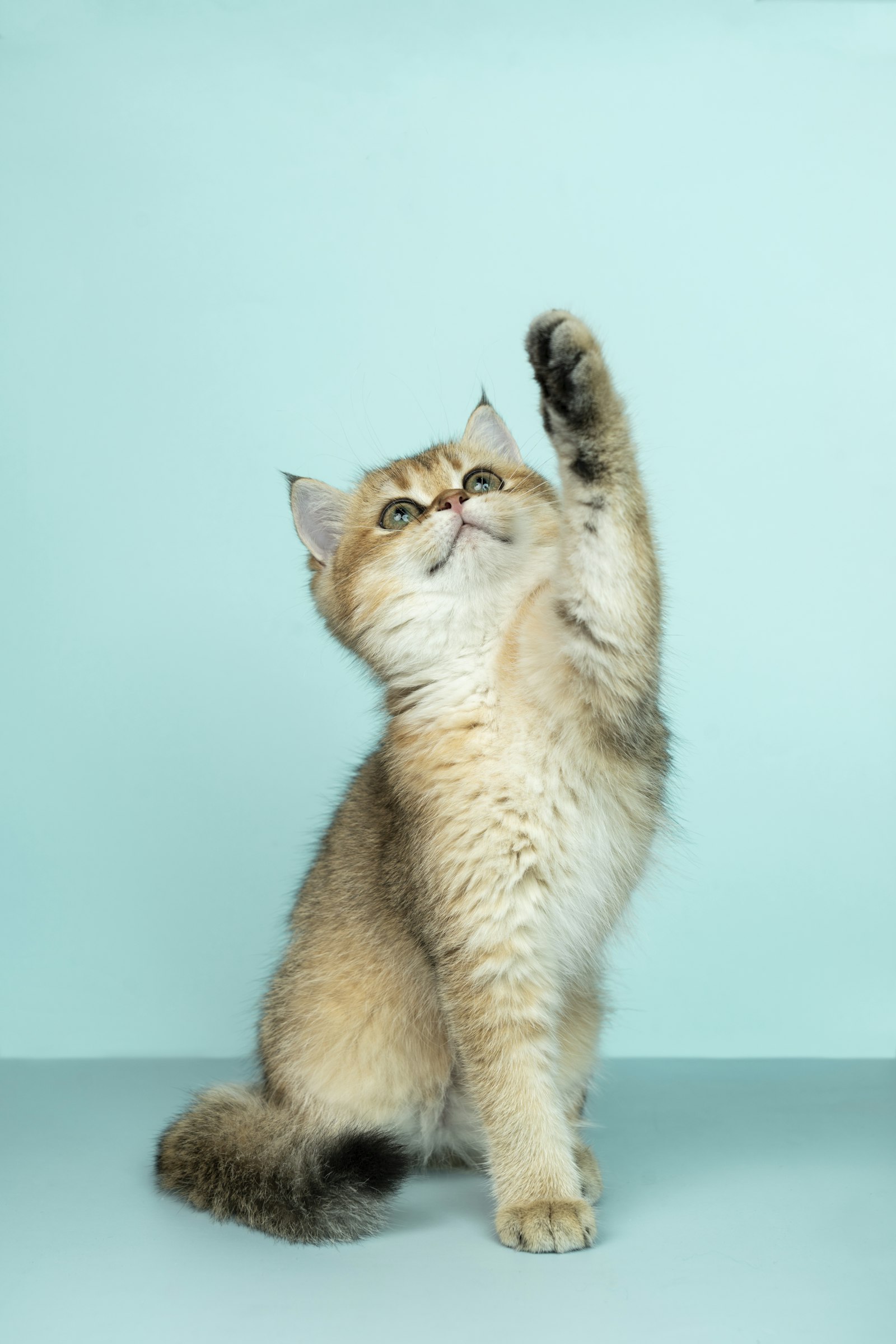
Young cats in particular may lick, then grab and bite a moving hand as if it were prey. The clue is movement. Play bites tend to happen when your hand or feet are moving, often with dilated pupils, a wiggling rear end, or a quick pounce. If anyone in your home plays with the cat using bare hands, the cat has learned that hands are toys.
4. Communication: “I want something”
Some cats use a lick and a nip to get your attention. It is close to dinner time, the litter box needs scooping, or they want the door opened. If the bites happen at predictable times of day and stop once the need is met, your cat may simply be using the most effective signal it has found.
5. Stress, fear or pain
Less commonly, a cat that is anxious or in pain may lick and then bite, especially if you touch a sore spot. Arthritis, dental disease and skin problems can all make certain areas sensitive. If the behavior is new, getting worse, or focused on one part of the body, it is worth ruling out pain with your vet.
Decode the bite by its context
| When it happens | Body language | Most likely meaning | Best response |
|---|---|---|---|
| During calm cuddling, lots of licking | Purring, soft eyes, relaxed body | Affectionate grooming | Gently move your hand away; no punishment needed |
| After several minutes of petting | Tail twitching or thumping, skin rippling, ears turning sideways | Overstimulation | Stop petting before the bite; keep sessions shorter |
| When your hand or feet are moving | Dilated pupils, crouch, wiggling rear, pounce | Play or hunting instinct | Freeze, then redirect to a wand toy |
| Around meal time or at the same time daily | Following you, vocalizing, staring | Attention or a request | Meet the need on a schedule, not right after a bite |
| When touched in one specific spot | Flinching, hissing, sudden turn of the head | Possible pain or fear | Avoid the area and book a vet check |
The warning signs that come before a bite
Most cats are not biting “out of nowhere.” They are sending small signals first, and those signals are easy to miss when you are relaxed and enjoying a cuddle. Watch for:
- The tail starts flicking, swishing or thumping
- Skin along the back twitches or ripples when you stroke it
- Ears rotate sideways or start to flatten
- Purring stops suddenly
- Your cat turns its head to look at your hand
- The body stiffens or the cat shifts position as if to get up
- Pupils widen
If you see even one of these, that is your cue to stop. Let your cat decide whether to stay or leave.
How to respond (and what to avoid)
| Do | Do not |
|---|---|
| Freeze your hand when teeth make contact. Stillness ends the “prey” game. | Yank your hand away quickly, which triggers the chase instinct and can make the bite harder. |
| Calmly end the interaction and walk away for a few minutes. | Yell, tap the nose or punish. It teaches fear, not manners. |
| Offer a wand toy or kicker toy as a legal target for biting. | Play with bare hands or wiggle your fingers under a blanket. |
| Pet the head, cheeks and chin, where most cats prefer touch. | Go straight for the belly or base of the tail on a cat that does not invite it. |
| Reward calm, gentle behavior with a treat or soft praise. | Keep petting through the warning signs “just a little longer.” |
Try a “petting budget”
This simple method works well for cats that get overstimulated. For a few days, quietly time how long your cat tolerates petting before the first warning sign appears. Say it is about two minutes. From then on, end every petting session well before that point, closer to a minute and a half, while your cat still wants more. Shelter behavior teams such as the Humane Society of Huron Valley recommend this kind of approach because every session that ends on a good note makes the next one more relaxed.
Over weeks, many cats tolerate gradually longer sessions. Some never will, and that is fine. A cat that prefers short, frequent check-ins is not a “mean” cat. It is just a cat with clear preferences.
When to talk to your vet
Book a check-up if the biting is new for your cat, getting harder or more frequent, happens when you touch one particular area, or comes with other changes such as hiding, eating less, grooming one spot obsessively or litter box problems. The Cornell Feline Health Center lists pain-induced aggression as its own category for good reason. A sore mouth or stiff joints can turn a gentle cat snappy.
Also take bites that break the skin seriously. Cat bites can introduce bacteria deep into tissue, so wash the area well and contact a doctor if it becomes red, swollen or painful.
The bottom line
A cat that licks you and then bites is usually grooming you, telling you it has had enough, or inviting you to play. Learn your cat’s warning signs, keep petting sessions shorter than its limit, give it toys to bite instead of hands, and never punish. If the pattern changes suddenly, let your vet rule out pain. For more on reading your cat, explore our Cat Care section. If your cat has been vomiting, our guide to why your cat is throwing up explains the common causes and when to call your vet. Dog owners dealing with a different kind of mystery might find our guide to dogs throwing up yellow bile in the morning useful too.
How we researched this article
This guide draws on guidance from the Cornell Feline Health Center, a clinical review of owner-directed feline aggression in Today’s Veterinary Practice, and shelter behavior resources. It is general information. For persistent or worsening aggression, speak with your veterinarian or a certified feline behavior consultant.
Frequently asked questions
Is a cat licking then biting a sign of love?
Often, yes. A gentle nip during a licking session mirrors how cats groom each other, and it usually means your cat sees you as part of its social group. If the bite comes after a long petting session with a twitching tail, it is more likely a signal to stop.
Why does my cat bite me gently while purring?
Cats can purr while getting overstimulated, and purring does not always mean a cat wants more contact. A gentle bite while purring is often affectionate grooming or a polite way of saying enough. Check the tail and ears for warning signs.
Should I bite my cat back or punish it for biting?
No. Punishment, including tapping the nose or biting back, teaches a cat to fear your hands and can make biting worse. Freeze, calmly end the interaction, and offer a toy as an acceptable target instead.
How do I stop my cat from biting me after petting?
Learn your cat’s warning signs, time how long it tolerates petting, and stop well before that limit. Focus on the head, cheeks and chin, and reward calm behavior. Many cats tolerate longer sessions over time.
When is cat biting a sign of a health problem?
Talk to your vet if biting is new, getting worse, focused on one body area, or comes with hiding, appetite changes or litter box problems. Pain from dental disease, arthritis or skin conditions can make a gentle cat bite.