How to Remove Dog Hair from Clothes: Before, During and After the Wash

Quick answer: To remove dog hair from clothes, get most of it off before washing. Shake items outdoors, use a lint roller, tape or a damp rubber glove, then tumble them on no heat for about 10 minutes. Wash with room to move and an extra rinse, clean the lint filter before and after each cycle, and brush your dog often to cut shedding.
Last updated: October 30, 2026
You stand up from the couch, look down at your black pants, and they are now gray. If you share your home with a shedder, you already know the routine. The good news is that learning how to remove dog hair from clothes is mostly about doing a few simple things in the right order. Most fur should come off before the clothes ever touch water.
Many quick tips online stop at “use a lint roller” or “add a dryer sheet.” They skip why hair keeps sticking, what pet hair does to your washer, and which laundry products are risky if your dog gets hold of them. This guide covers the before-wash methods that do the heavy lifting, how to wash and dry pet-hair laundry, how to clean fur out of your machines, fabric-by-fabric tips, and how to cut the shedding at the source. Every method works for cat hair, too.
Why dog hair clings to your clothes
Dog hair sticks for three main reasons: static, fabric texture and sheer volume. Fine hairs carry a static charge and grab onto fibers. Textured fabrics such as fleece, wool knits, corduroy and velvet give those hairs plenty to hook into. Smooth, tightly woven fabrics such as cotton twill, denim and nylon shed hair more easily.
Volume matters most. The American Kennel Club (AKC) explains that shedding is a normal way for dogs to get rid of old or damaged hair. Dogs with thick double coats tend to shed year-round, with heavier shedding in spring and fall as they swap coats. In those weeks, any routine that works in summer can suddenly feel useless.
How to remove dog hair from clothes before washing
The most important step in how to remove dog hair from clothes happens before the wash. Water turns loose fur into wet clumps that cling to fabric and the drum. Consumer Reports warns that those clumps can also stop water from draining properly and clog a washer’s drain pump. So get as much off as you can while the clothes are dry.
Work through these methods, starting with the quickest:
- Shake it out outdoors. Give each item a few firm snaps outside or over a trash can. It sounds too simple, but it removes a surprising amount of loose fur.
- Use a lint roller or tape. A sticky roller is still the fastest fix for a jacket on your way out the door. Packing tape or masking tape wrapped sticky-side out around your hand does the same job.
- Try a damp rubber glove. Slightly dampen a rubber dish glove and sweep your hand across the fabric in one direction. The hair gathers into clumps you can pick off. Consumer Reports suggests this trick for bedding, and it works well on sweaters and couch throws.
- Wipe with a damp sponge. A clean, barely damp kitchen sponge works much like the glove. Use the soft side on delicate fabric.
- Tumble on no heat first. Put the dry clothes in the dryer on an air-only or no-heat setting for about 10 minutes. Consumer Reports and Speed Queen both recommend this step because the tumbling loosens hair and the lint filter traps much of it. Shake the items out and clean the lint filter before you wash.
Here is how the main methods compare:
| Method | Best for | Watch out for |
|---|---|---|
| Shake outdoors | Loose fur on any item | Does little for embedded hair |
| Lint roller or tape | Quick touch-ups on jackets, pants and sweaters | Slow on large items; tape can pull at delicate knits |
| Damp rubber glove | Sweaters, blankets, bedding and throws | Keep it barely damp so you do not soak the fabric |
| Damp sponge | Knits and textured fabric | Use a clean sponge with no soap residue |
| No-heat dryer tumble (about 10 minutes) | Whole loads before washing | Clean the lint filter afterward; skip for items labeled no tumble dry |
| Handheld steamer, then brush or tape | Delicates that cannot go in the dryer | Check the care label for steam and heat limits |
How to get dog hair out of clothes in the washing machine
Once most of the fur is gone, the wash itself can finish the job. A few habits help the water carry the remaining hair away instead of redepositing it on your clothes.
Follow these steps for a pet-hair load:
- Give the load room. Clothes need space to move so hair can rinse away. A packed drum tends to push fur back into fabric.
- Add an extra rinse. Speed Queen suggests an extra rinse for pet bedding to flush hair out of the machine, and the same setting helps heavily furred clothes.
- Wash pet items separately. Dog beds, crate pads and blankets hold far more hair than your clothes. Speed Queen recommends washing pet bedding weekly, on its own.
- Consider a pet hair cycle, but don’t count on it. Some newer machines offer a pet hair setting. In Consumer Reports testing, one such cycle did not remove hair better than a normal cycle, though it took longer and used more water.
Does vinegar remove dog hair from clothes?
Vinegar is a common tip, but the advice is mixed. Speed Queen suggests adding 1/2 cup of white vinegar to the rinse cycle for loads with heavy pet hair or lint. Consumer Reports, however, notes that repeated vinegar use can damage a washer, and that some brands, including Whirlpool, advise against using it at all. Our take: check your owner’s manual first. If your manufacturer says no, skip it and rely on the dry prep steps above, which do more of the work anyway.
Drying: catch the last of the fur
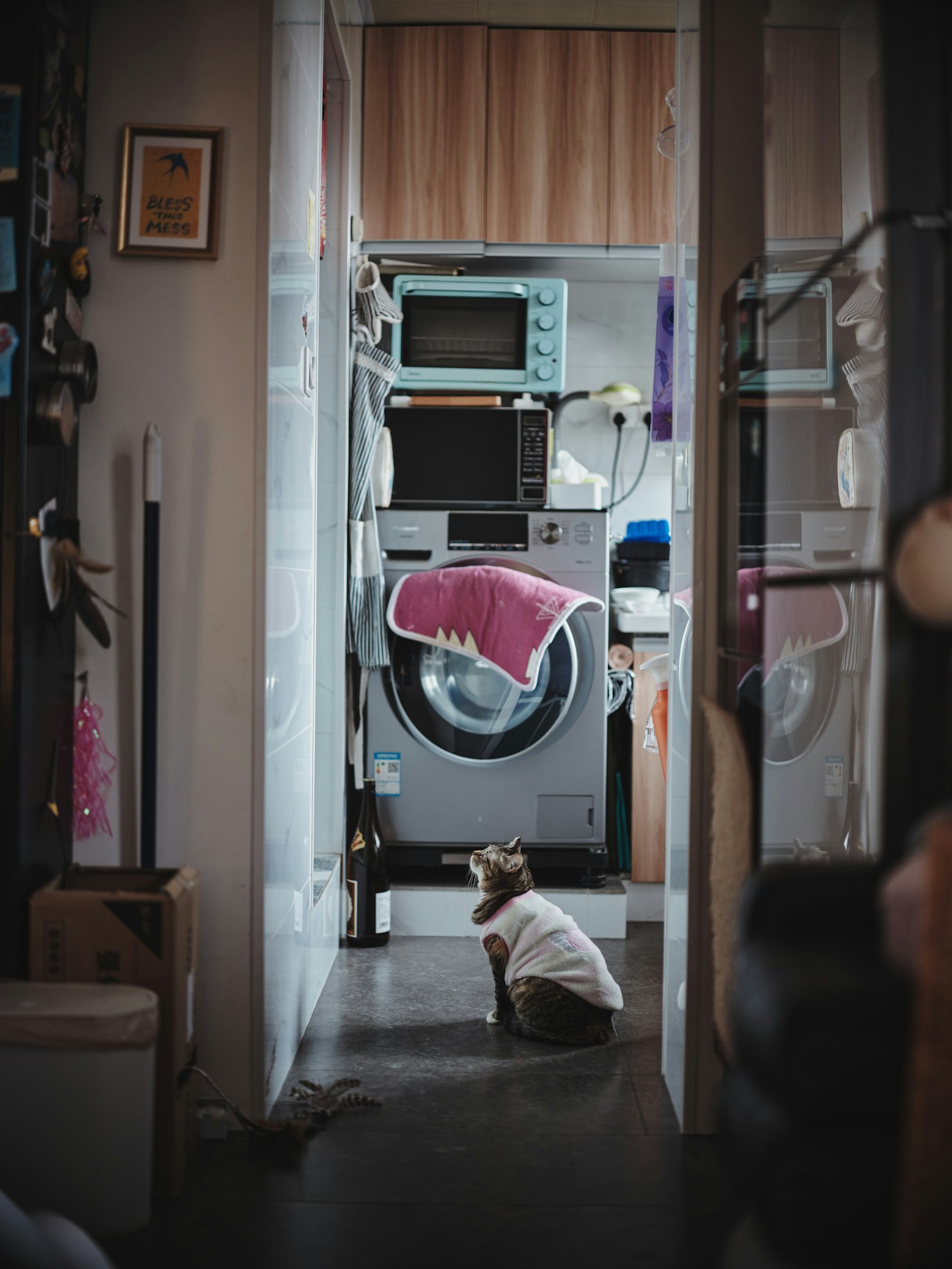
The dryer is your second chance to remove dog hair from clothes, because the lint filter keeps collecting fur. That only works if the filter stays clear. The US Fire Administration’s clothes dryer safety guidance says to clean the lint filter before and after each cycle, and warns that skipping lint filter and vent cleaning raises your risk of a dryer fire. With heavy pet hair loads, Speed Queen suggests also cleaning the filter halfway through.
Check the vent too. The USFA advises making sure the venting system behind the dryer isn’t damaged, crushed or restricted, and that the outdoor vent flap opens while the dryer runs. Consumer Reports recommends cleaning the dryer duct at least once a year, or more often if drying times start to creep up.
Are dryer sheets safe in a home with pets?
Dryer sheets reduce static, which can help release hair, but store them like a cleaning product. The ASPCA’s list of poisonous household products says most dryer sheets, especially unused ones, contain cationic detergents. These can cause severe chemical burns and ulcers in a pet’s mouth, esophagus and stomach. The ASPCA adds that sheets can also cause an intestinal blockage, and the AKC notes that even used sheets can cause a blockage. Most fabric softeners contain the same type of detergent.
To use them safely:
- Keep the box closed and up high, never on the dryer top where a dog or cat can reach it.
- Pull used sheets out of the dryer and put them straight into a lidded trash can.
- If you would rather skip them, wool dryer balls also cut static and tumbling time. Keep them away from dogs that like to chew round objects.
If your pet chews or swallows a dryer sheet or fabric softener, call your veterinarian or an emergency vet right away. You can also call the ASPCA Animal Poison Control Center (US) or the Pet Poison Helpline, which serves the US and Canada. Both may charge a fee. The AKC advises against making your dog vomit unless a vet or poison hotline tells you to.
How to clean dog hair out of your washer and dryer
Pet hair that stays in the machine ends up on your next load. After a heavy pet-hair wash, take a few minutes to clean up.
Here is a simple routine based on Maytag and Consumer Reports guidance:
- Let the washer dry out. Maytag suggests leaving the lid or door open for about 24 hours so leftover hair dries.
- Vacuum the dry clumps. Use a crevice attachment around the drum, door seal and any filter.
- Wipe it down. Wipe the drum, door and gasket with a damp cloth.
- Run an empty cycle. Run a self-clean or empty wash cycle, with a washing machine cleaner if you use one, to rinse out residual hair.
- Clear the lint filter and any pump filter. If your washer has an accessible drain pump filter, check your manual for how and how often to clean it.
How to get dog hair off clothes without a lint roller
No roller? No problem. Most homes already have something that works:
- Tape: packing, masking or duct tape looped sticky-side out
- A damp rubber glove or a slightly damp hand swept in one direction
- A clean, damp sponge for knits and upholstery-style fabrics
- A soft clothes brush, brushed downward with the grain of the fabric
- The dryer’s air-only setting for 10 minutes, then a good shake
For delicate items that can’t go in the dryer, a handheld steamer can relax the fibers so hair releases more easily. Follow up with tape or a soft brush.
Fabric-by-fabric tips
Different fabrics hold hair differently, so match the method to the material. Always check the care label first.
| Fabric | What works best | Avoid |
|---|---|---|
| Fleece and sherpa | No-heat tumble, then a damp rubber glove | High dryer heat, which can melt or mat fibers |
| Wool and knit sweaters | Damp sponge or glove, brushed in one direction | Aggressive taping that can lift or pill the yarn |
| Velvet and corduroy | Soft brush with the nap, or tape pressed and lifted | Rubbing against the nap |
| Denim, cotton and twill | Lint roller or a quick no-heat tumble | Overloading the washer with heavy items |
| Silk and delicates | Steam, then light tape or a soft brush | The dryer, unless the label allows it |
| Black and dark clothing | Lint roller right before you leave | Drying with furry towels or pet blankets |
Stop the hair before it reaches your closet
The easiest dog hair to remove is the hair that never lands on your clothes. Small daily habits make the biggest difference.
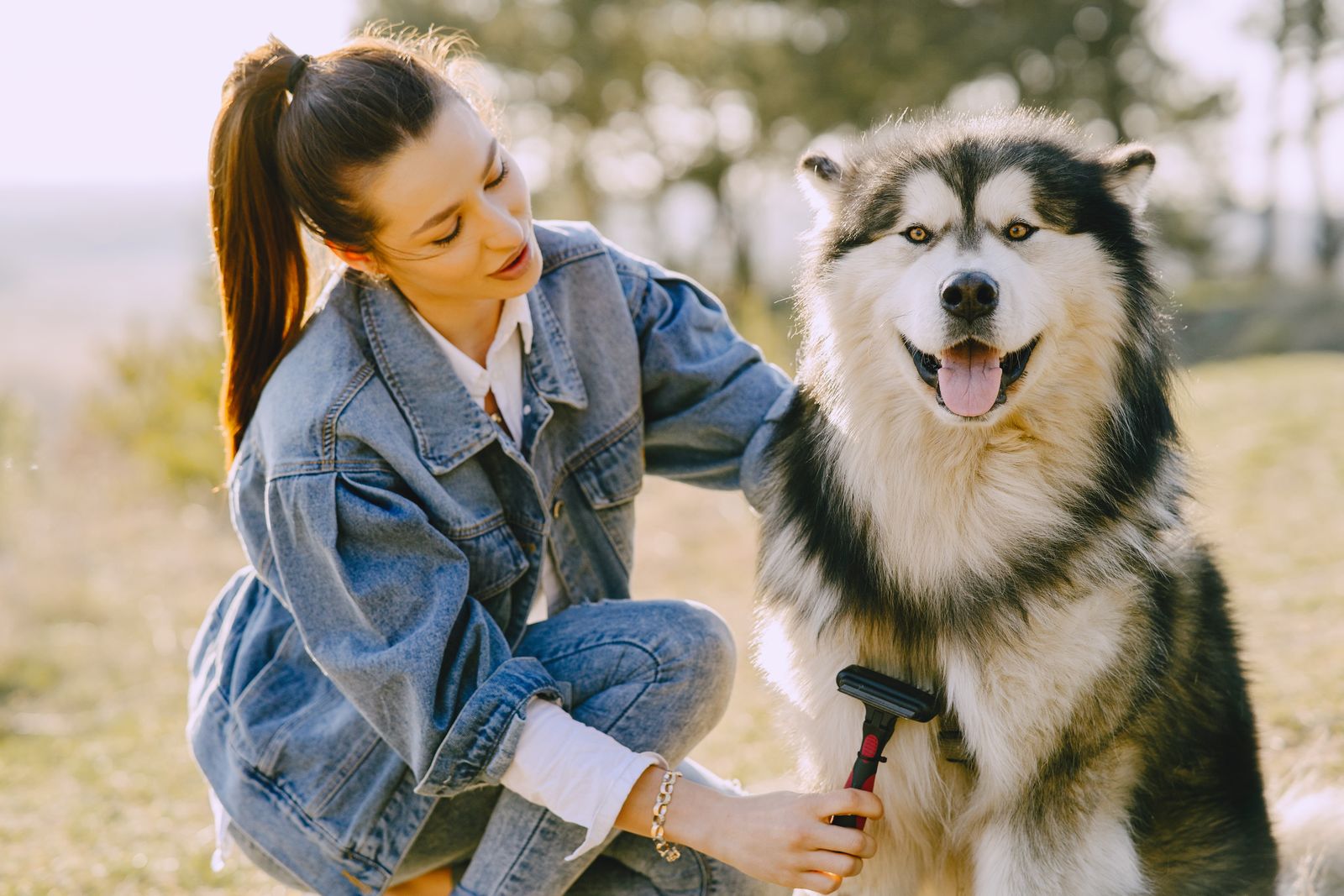
Brush your dog more often, and do it outside
According to the AKC, heavy shedders may need brushing several times a week, or even daily, during peak shedding seasons. Lighter shedders still benefit from regular brushing. The AKC notes that short coats do well with a bristle brush or grooming glove, while longer and double coats need tools that reach the undercoat, such as a slicker brush or a de-shedding tool. Speed Queen’s laundry advice makes the same point: even a minute of daily brushing cuts the hair that ends up in your wash.
Brush outdoors or over an easy-to-clean floor, and wear old clothes while you do it.
Small habits around the house
These habits keep more fur off your wardrobe:
- Keep “dog clothes.” Wear one old hoodie or apron for cuddles, play and grooming.
- Change before you head out. Children’s Minnesota points out that dander from petting animals can end up on your clothes. Changing after cuddling or brushing helps if you are visiting someone with allergies. If allergies are a concern at home, our guide to hypoallergenic cats and allergy-friendly breeds explains what really drives pet allergies.
- Cover the couch. A washable throw on your dog’s favorite seat catches hair before it reaches you. For deeper cleaning, see our guide on how to get dog smell out of a couch.
- Vacuum weekly. Speed Queen suggests vacuuming floors and furniture weekly to reduce the hair that reaches your laundry.
- Close the closet door. Keep clean clothes out of reach of dogs who like to nap on laundry piles.
When shedding isn’t normal
Most shedding is healthy, but sudden changes are worth a call to your vet. The AKC says excessive or unusual hair loss can signal a health problem, such as hypothyroidism, allergies or a coat disorder.
Contact your veterinarian if you notice:
- Thinning fur or bald patches
- A sudden increase in shedding outside the usual seasons
- Red, flaky, itchy or irritated skin
- Constant scratching, licking or chewing at the coat
The bottom line
The best way to remove dog hair from clothes is to get it off before washing. Shake, tape or glove the fur away, then tumble on no heat for 10 minutes. Wash with room to move, clean the lint filter before and after every cycle, and keep dryer sheets well out of your pet’s reach. Brushing your dog regularly does more than any laundry trick. If you are also fighting pet messes, our guide to removing pet stains naturally covers safe home methods, and you can find more practical help in our Pet Living and Gear section.
How we researched this article
We based this guide on laundry guidance from Consumer Reports and washer and dryer makers Speed Queen and Maytag, fire-safety advice from the US Fire Administration, pet poison information from the ASPCA and the AKC, and the AKC’s guidance on shedding and grooming. It is general information, not veterinary advice.
Frequently asked questions
How do you get dog hair off clothes quickly?
Shake the item firmly outdoors, then run a lint roller or a loop of packing tape over it. For sweaters and blankets, sweep a slightly damp rubber glove across the fabric in one direction and pick off the clumps. If you have 10 minutes, tumble the clothes in the dryer on no heat, then clean the lint filter.
How do I get dog hair out of clothes in the washing machine?
Remove as much hair as possible before washing, because wet fur clumps and can clog the drain. Then wash with enough room for clothes to move, add an extra rinse, and wash pet bedding separately. Afterward, let the washer dry with the door open, vacuum leftover hair and run an empty cycle.
Does vinegar help remove dog hair in the wash?
Some laundry brands, such as Speed Queen, suggest 1/2 cup of white vinegar in the rinse cycle for heavy pet hair loads. Others, including Whirlpool according to Consumer Reports, advise against vinegar because repeated use can damage washers. Check your owner’s manual before you try it.
Do dryer sheets remove dog hair, and are they safe for pets?
Dryer sheets reduce static, which helps hair release from fabric. They are risky if pets chew them: the ASPCA says most contain cationic detergents that can cause severe burns in the mouth and stomach, and sheets can cause blockages. Store them out of reach, or use wool dryer balls instead.
How do you get dog hair off clothes without a lint roller?
Wrap packing or masking tape around your hand sticky-side out, or sweep a damp rubber glove or clean damp sponge across the fabric. A soft clothes brush also works on wool and velvet. For whole loads, a 10-minute no-heat dryer cycle loosens hair so you can shake it off.
Do these methods work for cat hair on clothes?
Yes. Cat hair is often finer, so a damp rubber glove, tape and a no-heat dryer tumble before washing are especially useful. The same washer and dryer care applies: clean the lint filter before and after every cycle and wipe out the drum after heavy pet hair loads.